

2025 Conference on Public Health Strategies to Combat Substandard and Falsified Medical Products
Hosted by the BESAFE team of JHU with support from Pfizer, the conference brought together key stakeholders to confront the escalating global threat of substandard and falsified medical products (SFMPs).
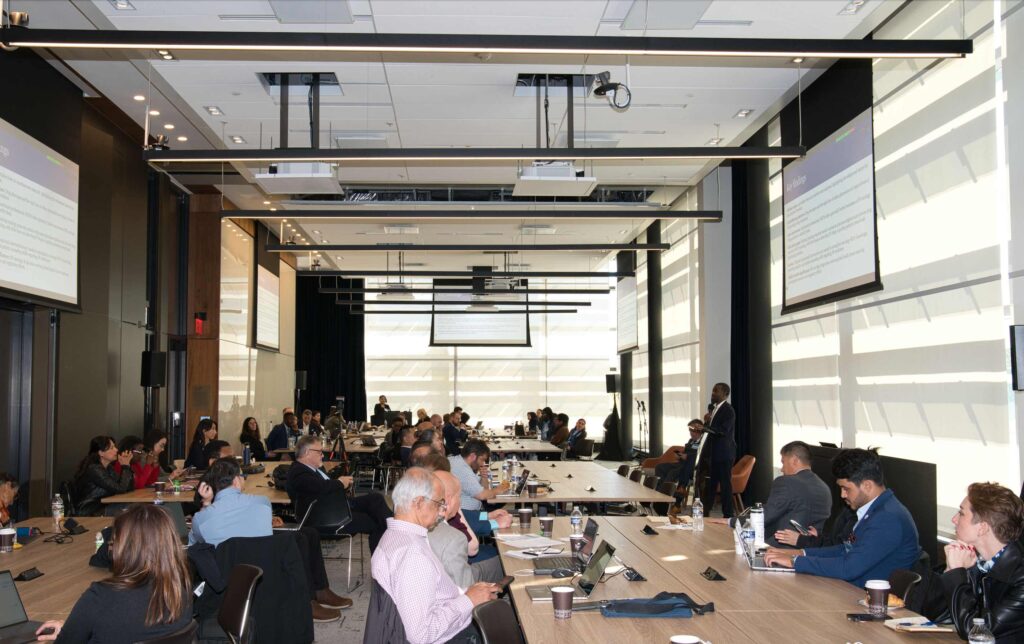
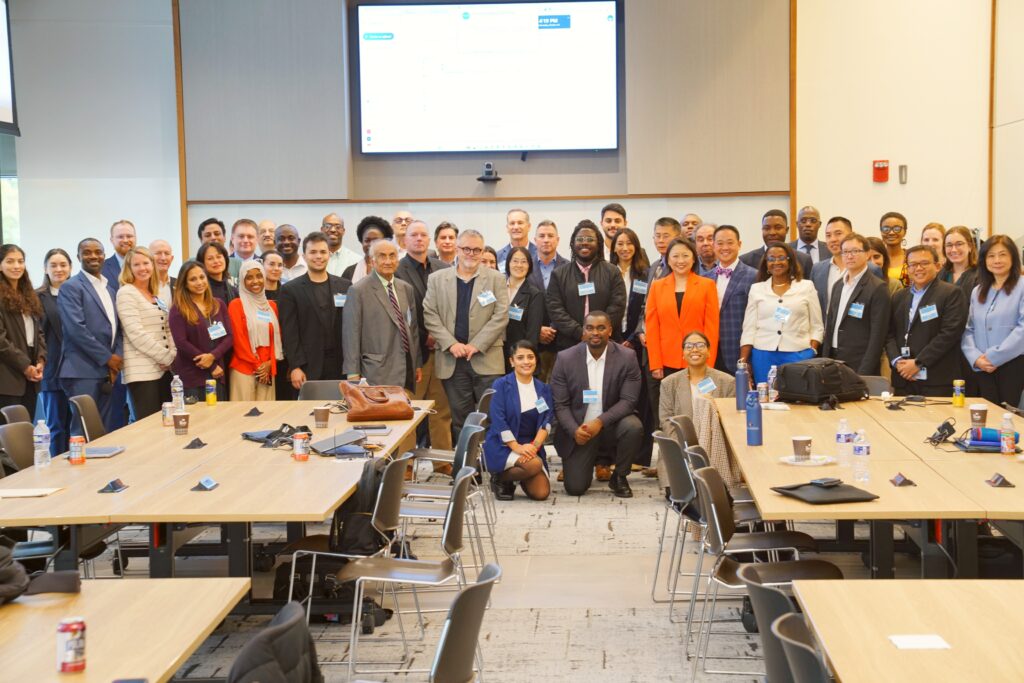
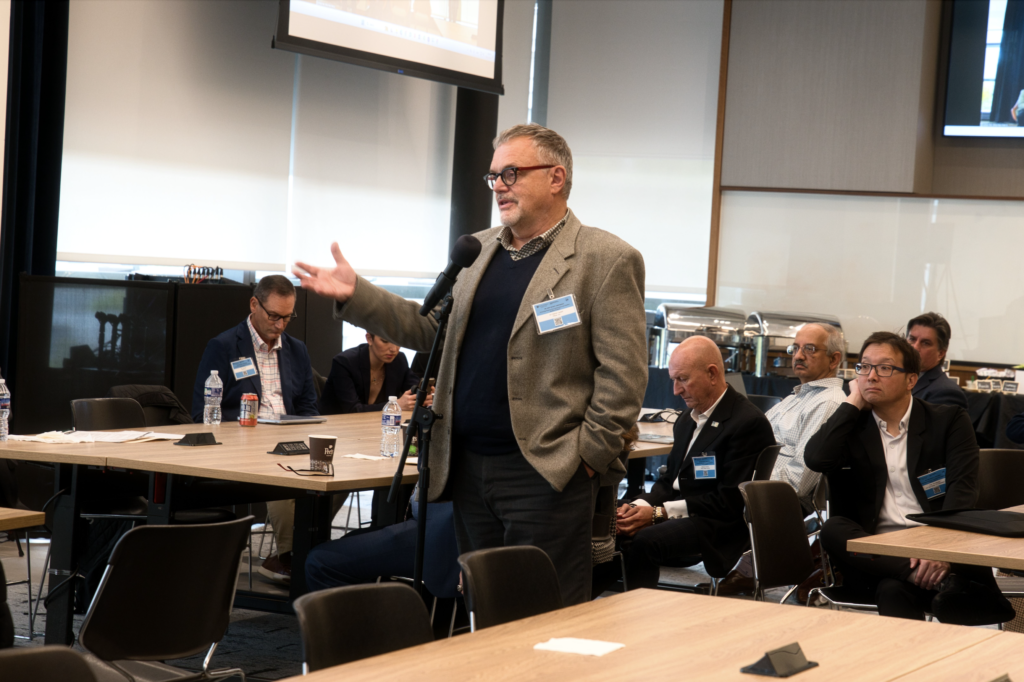
Countries are facing a medicine-safety environment unlike anything seen before. Devastating incidents of patient harm, such as the deaths of more than 20 children in India due to toxic cough syrup, have captured global attention, yet they represent a fraction of the broader crisis. Against this backdrop, the 2025 BESAFE Conference hosted timely discussions on the how the convergence of rapidly evolving technology, global trade, and highly organized criminal networks are driving a crisis of substandard and falsified medical product (SFMP) circulation and threatening patient safety. Over two days, conference participants engaged with leading experts from across the world and outlined a comprehensive roadmap to prevent, detect and respond to SFMPs.
2025 Conference Report Content:
- Healthcare Providers as Frontline Defenders
- Regulatory Harmonization Efforts
- Curriculum Reform
- Online Pharmacy Risks
- Public Awareness and Education
- Next Steps for Coordinated Action
Substandard and Falsified Medical Products: The Facts
1 in 10 medicines are substandard or falsified (SF) in LMICs. The burden of SF drugs is high in lower-and middle-income countries (LMICs), but a growing threat in high-income countries like the United States.
1 million deaths per year are attributed to the consumption of SFMPs. US$200–431 billion annually is lost in economic output annually due to SFMPs.
In the U.S., SF medicines containing fentanyl have fuelled the opioid crisis, having caused more than 100,000 deaths in 2022, contributing to over 80% of opioid overdose deaths.
95% of online pharmacies are unlicensed and 50-90% of medicines sold online are SF. In the U.S., over 38% of Americans have been exposed to SF medicines due to online pharmacies.

“The proceedings reflect a central conclusion: only through shared expertise, coordinated action, and a unified commitment can the global community confront the expanding threat of substandard and falsified medicines and medical devices.”
Saiffudin Ahmed, MBBS, PhD,
Professor, Principal Investigator, BESAFE
Key Recommendations
Globally, the World Health Organization estimates that
about one in ten medicines may be substandard or
falsified. That represents not just a regulatory failure, but a human one as well, affecting patients who do not improve, clinicians who feel helpless, and communities losing faith in the promise of modern medicine.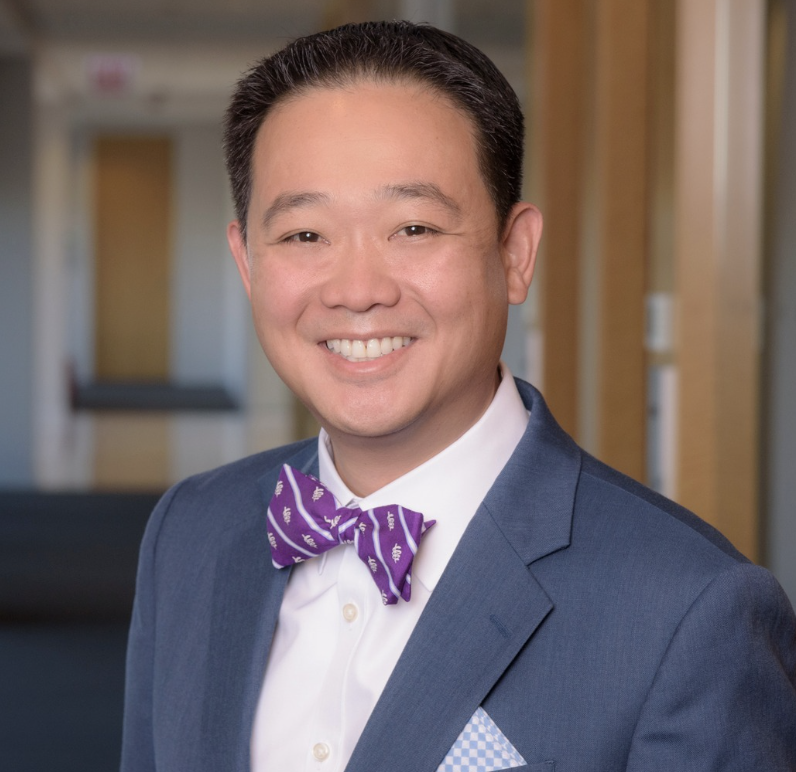
Strengthening regulatory systems is absolutely
not optional. Patients and end users do not
have the ability or the responsibility to
determine whether a product is safe, effective,
and of the right quality. That responsibility lies
with strong regulatory systems that safeguard
public health and build trust, because once trust
is lost, it is very difficult to regain.
Our regulations are originally made for brick-and-mortar pharmacies, and there is accountability attached to that. The regulations now need to be moved to online pharmacies so that they can be accountable for the products they are providing. And of course, there is potential for people to find loopholes, but we cannot give up!
Participating Organizations
- World Health Organization
- American Medical Association
- African Union Development Agency (AUDA-NEPAD)
- Pan American Health Organization (PAHO)
- Caribbean Public Health Agency (CARPHA)
- American Academy of Family Physicians (AAFP)
- American College of Preventive Medicine (ACPM)
- US Pharmacopeia (USP)
- National Association Boards of Pharmacy (NABP)
- Alliance for Safe Online Pharmacies (ASOP) Global
- Partnership for Safe Medicines (PSM)
- Institute for Safe Medication Practices (ISMP)
- Population Services International (PSI)
- Pharmacy Council Jamaica
- Africa Resource Center
- The Gates Foundation
- The Brazzaville Foundation
- Concept Foundation
- Johns Hopkins University Bloomberg School of Public Health